




The Growing Challenge of Lithium Battery Recycling for UK Businesses
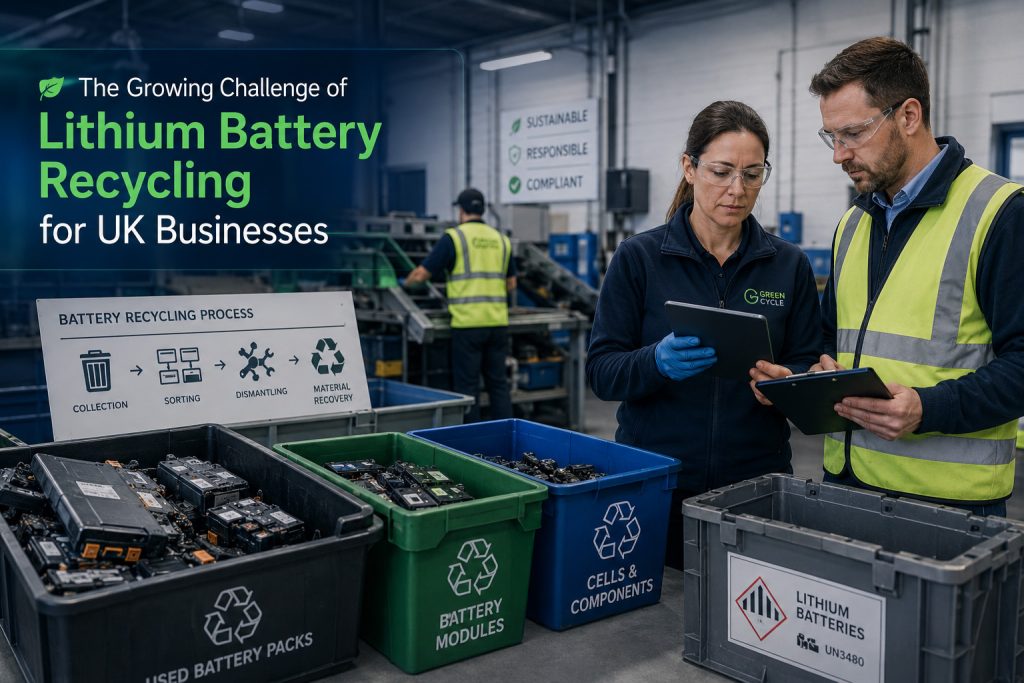
The Growing Challenge of Lithium Battery Recycling for UK Businesses

As lithium-ion batteries become increasingly common in electric vehicles, e-bikes, power tools, energy storage systems, and consumer electronics, businesses across the UK are facing a growing challenge: how to recycle these batteries safely, legally, and affordably.
While the importance of battery recycling is widely recognised, many companies are finding that the practical reality is becoming more difficult. Rising costs, limited treatment capacity, and a shrinking number of specialist recycling providers are creating significant obstacles for organisations that generate lithium battery waste.
Rising Costs Put Pressure on Businesses
Unlike many traditional waste streams, lithium batteries require specialised handling, storage, transportation, and processing. Their potential fire risk means strict regulations must be followed throughout the collection and recycling process.
Over recent years, many businesses have reported increasing costs associated with battery disposal and recycling. Collection fees, hazardous goods transport requirements, packaging standards, and treatment charges can all contribute to a substantial financial burden, particularly for organisations handling large volumes of batteries.
For small and medium-sized enterprises, these costs can be especially challenging at a time when businesses are already facing rising operational expenses.
A Limited Number of Recycling Providers
Another concern is the relatively limited number of companies capable of processing lithium-ion batteries safely and compliantly.
As battery volumes continue to increase, demand for recycling services is growing faster than the available infrastructure in some parts of the UK. Businesses often have fewer provider options than they would for other waste streams, which can result in longer waiting times, reduced flexibility, and higher costs.
In some cases, organisations must transport batteries over significant distances to reach approved treatment facilities, adding further expense and logistical complexity.
The Safety Challenge
The issue is not simply one of cost. Lithium batteries present unique safety risks throughout the waste management chain.
Damaged, defective, or improperly stored batteries can enter thermal runaway, causing fires that are difficult to extinguish and capable of spreading rapidly. As a result, recycling companies must invest heavily in specialist equipment, trained personnel, fire protection systems, and regulatory compliance measures.
These necessary safety investments contribute to the overall cost of battery recycling and can create barriers for new providers seeking to enter the market.
A Problem That Will Continue to Grow
The UK’s transition towards electrification means that lithium battery volumes are expected to increase dramatically over the coming decade. Electric vehicles, renewable energy storage systems, e-bikes, and portable electronics will all generate growing quantities of end-of-life batteries requiring responsible management.
Without significant investment in collection networks, recycling infrastructure, and treatment capacity, businesses may continue to face increasing costs and limited disposal options.
The Need for Industry and Government Action
Addressing these challenges will require collaboration across the entire battery supply chain.
Manufacturers, recyclers, waste management companies, regulators, and policymakers all have a role to play in developing a sustainable and economically viable recycling system. Increased domestic processing capacity, clearer regulatory guidance, investment incentives, and support for innovative recycling technologies could help improve accessibility and reduce costs over time.
Looking Ahead
Lithium batteries are essential to the UK’s low-carbon future, but managing them at the end of their life cycle remains a significant challenge. For many businesses, the combination of rising recycling costs and a limited number of specialist providers is creating operational and financial pressures that cannot be ignored.
As battery use continues to expand, ensuring that businesses have access to safe, compliant, and cost-effective recycling solutions will be critical to supporting both environmental goals and long-term economic growth.